
Discover Tuzi, Montenegro - history, culture, traditional cuisine, historic landmarks, famous people, and the best places to visit in the Malësia region.

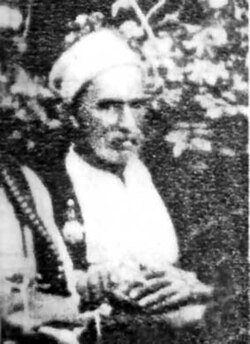
Baca Kurti Gjokaj was a prominent Albanian highlander leader from the Gruda tribe in Malësia e Madhe. He is remembered as an influential tribal chief and military leader who played an important role in the resistance of the northern Albanian highlanders during the late 19th century.
He was born around 1807 in the village of Milesh into Catholic Albanian Malësor family. Through his leadership and reputation among the tribes, he rose to become one of the most respected figures in the region. In 1856, he was appointed tribal military leader of Gruda after suppressing a group of rebels in the area of Fundna. During the same year, he also killed the brother of the Montenegrin commander Marko Miljanov, an event that increased tensions along the border between the highland tribes and Montenegro.
Baca Kurti later became involved in major political developments affecting Albanian lands. In 1878, he was among the 15 delegates from northern Albania who took part in discussions related to the Congress of Berlin, where the Great Powers decided to transfer several Albanian inhabited regions including Hoti, Gruda, Plav, and Gusi to the Principality of Montenegro.
Following these decisions, Baca Kurti joined the League of Prizren, which aimed to defend Albanian territories from partition. When Nikolla I of Montenegro attempted to occupy territories assigned to Montenegro, the chiefs of Malësia organized armed resistance.
Baca Kurti played an important role in mobilizing the highland tribes during this period and fought under the leadership of Çun Mula. He distinguished himself as one of the most capable commanders during the Battle of Ržanica, where the northern Albanian tribes successfully resisted Montenegrin forces.
Before entering the battle, Baca Kurti is remembered for his famous call to the fighters:
“Brothers, the enemy is coming after us! Whoever wants to die today for his country and for the honor of his arms,follow me.”
Today, Baca Kurti Gjokaj is remembered as one of the heroic leaders of Malësia e Madhe and a figure closely associated with the struggle to defend Albanian lands in the late 19th century. His legacy lives on through historical memory, songs, and poems dedicated to his bravery and