
Discover Tuzi, Montenegro - history, culture, traditional cuisine, historic landmarks, famous people, and the best places to visit in the Malësia region.

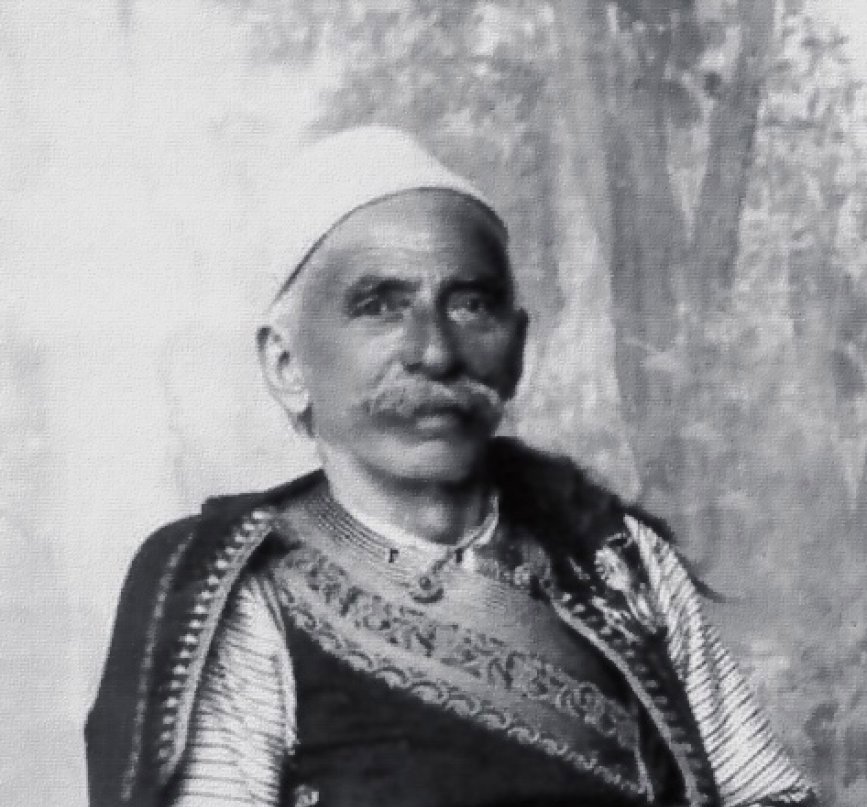
Ded Gjo Luli was a prominent Albanian freedom fighter from the region of Malësia e Madhe, present-day Tuzi in Montenegro. He is remembered as one of the most important figures of the Albanian national awakening in the early 20th century and as a symbol of resistance against Ottoman rule.
Born in the village of Hoti, Ded Gjo Luli grew up in a mountainous region known for its strong traditions of independence and tribal organization. From an early age, he gained respect among the highland clans for his leadership, courage, and commitment to the protection of Albanian lands and identity.
He became internationally known during the Malësia uprising of 1911, when he led the highland tribes in revolt against the Ottoman Empire. One of the most historic moments of this uprising occurred on April 6, 1911, at Mount Deçiq, where Ded Gjo Luli and the Malësor fighters raised the Albanian national flag after defeating Ottoman forces. This act was highly symbolic because it was the first time the Albanian flag had been publicly raised in centuries and it became a powerful step toward Albania’s independence in 1912.
Ded Gjo Luli played a crucial role in organizing the northern Albanian tribes and uniting them around the demand for political rights, autonomy, and recognition of Albanian identity. His leadership helped inspire broader national movements that eventually led to the declaration of Albanian independence.
He died in 1915, but his legacy remains deeply respected among Albanians in Malësia, Albania, Kosovo. Ded Gjo Luli is widely regarded as a heroic figure who embodied the spirit of resistance, unity, and national dignity. Monuments, schools, and streets across Albanian regions bear his name in honor of his contribution to freedom and national identity.