
Discover Tuzi, Montenegro - history, culture, traditional cuisine, historic landmarks, famous people, and the best places to visit in the Malësia region.

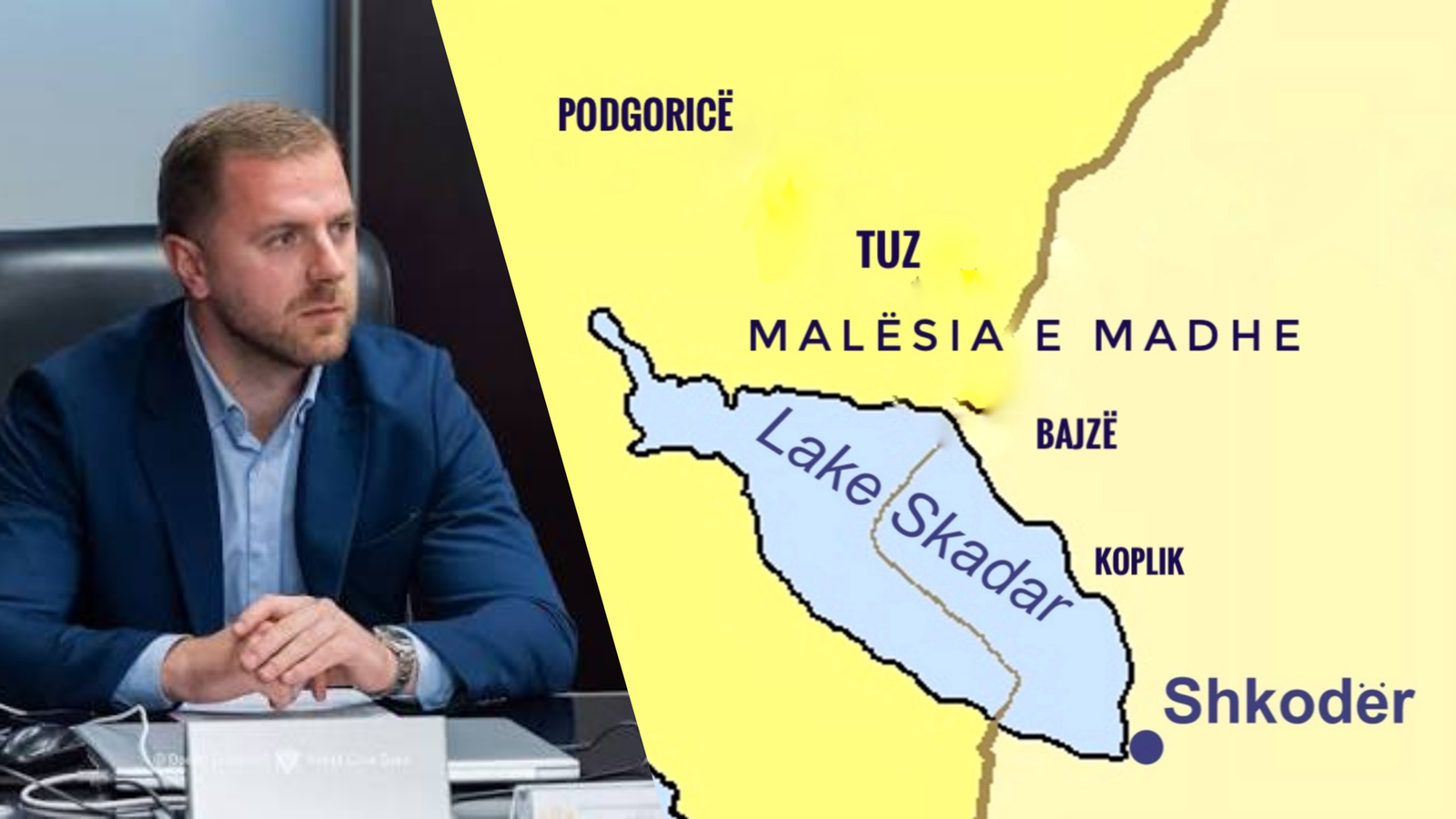
Disagreements over the administrative border between Tuzi and Podgorica have led the issue to arbitration after years of unresolved negotiations.
For the Malësia region, the matter carries significant importance as it directly concerns territory, municipal property, and administrative authority. Since the establishment of the Municipality of Tuzi, clearly defining the territorial boundary with the capital city has remained one of the most sensitive political and administrative issues.
The absence of a final agreement has created uncertainty regarding the management of certain areas and the distribution of revenues that should belong to the municipality.
Sending the matter to arbitration means that an independent body will determine the final border line and address related property issues. However, questions remain as to whether the arbitration body will be fully independent and impartial, or whether political interests that have delayed the process so far may influence the decision.
Residents of the Malësia region expect the final ruling to be based on legal principles and the historical and demographic realities of the area, ensuring that the Municipality of Tuzi is not territorially or financially disadvantaged.
At the latest meeting of the Commission for Border Determination, the head of the commission, Naim Gjokaj, stated that the main obstacle has been the Livade landfill site.
“The representatives of the capital city raised objections regarding several territorial points, particularly near the Livade landfill, proposing that this area should belong to Podgorica. The Municipality of Tuzi did not accept this proposal, which prevented an agreement from being reached. As a result, the entire matter will now be entrusted to an arbitration commission,” Gjokaj explained.
He added that areas such as Korita and the Rakić Houses were not discussed in detail because the landfill issue remained the central point of disagreement. The division of property and assets between the two municipalities has also not yet been addressed.
The demarcation process between Tuzi and Podgorica has now lasted seven years, covering two main aspects: territorial boundaries and municipal property distribution.