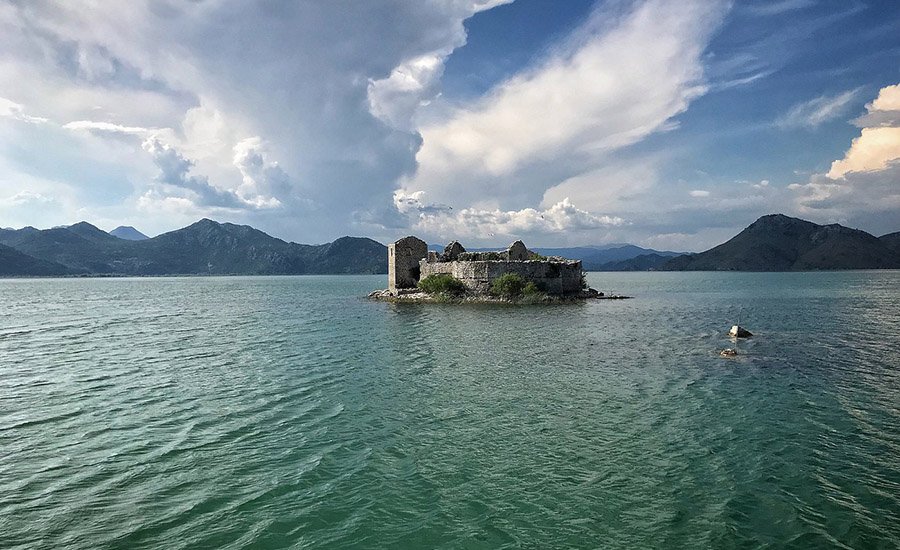
Discover Tuzi, Montenegro - history, culture, traditional cuisine, historic landmarks, famous people, and the best places to visit in the Malësia region.

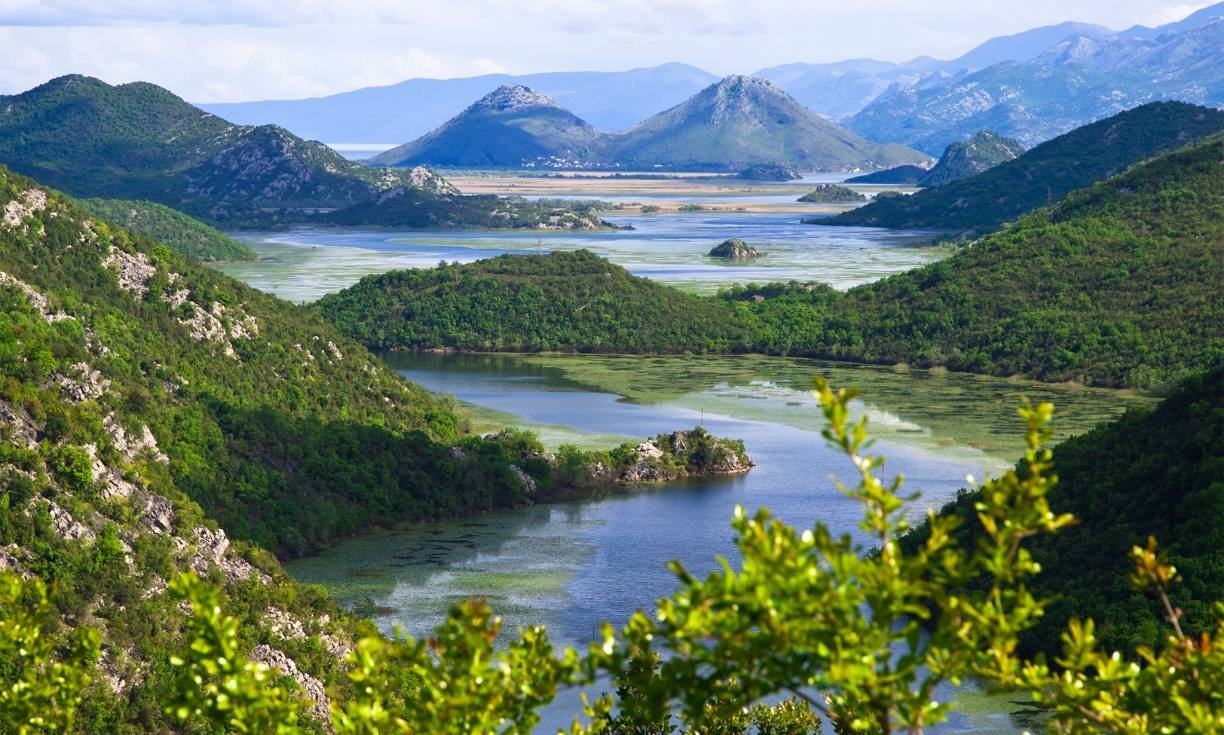
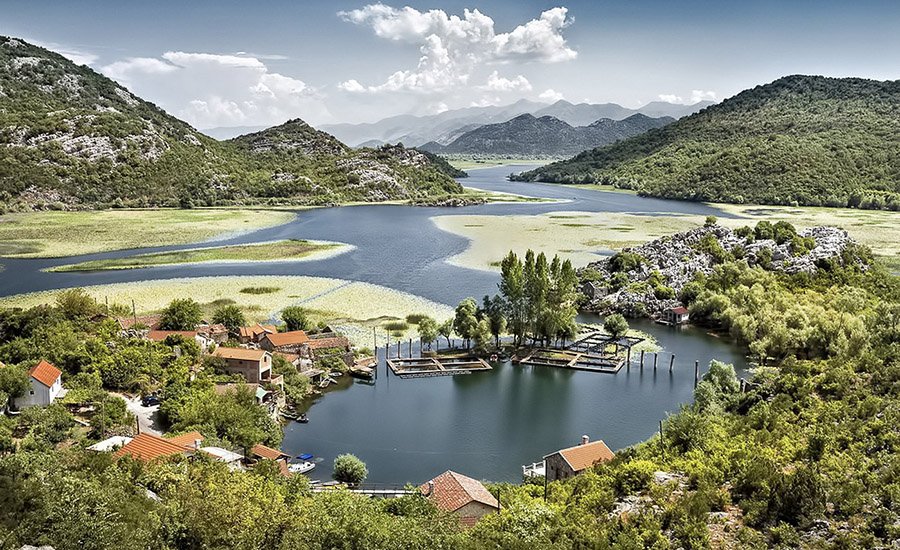
Lake Skadar, or Liqeni i Shkodrës, near Tuzi, Montenegro, is one of the most remarkable natural treasures in the Balkans. Just a short distance from both Tuzi and Podgorica, it is celebrated not only for its stunning landscapes but also for its rich wildlife and deep historical roots. Covering the largest surface area of any lake in the Balkan Peninsula, its size fluctuates throughout the year, ranging from 370 to 530 square kilometers, stretching about 50 kilometers in length and reaching up to 14 kilometers in width. Roughly two-thirds of the lake lies within Montenegro, with the remaining third in Albania.
Most of the Montenegrin shoreline is protected as Skadar Lake National Park, established in 1983. The lake itself is geologically unique due to a feature called a cryptodepression, where parts of its bottom lie below sea level. It also has fascinating underwater springs known as “eyes,” some plunging to depths of 60 meters. Despite these deep pockets, the lake’s average depth is only five to six meters, creating vast wetlands along its edges. The Morača River feeds the lake, while its waters flow out through the Bojana River to the Adriatic Sea.
Lake Skadar is a haven for birdlife and is recognized as one of Europe’s major bird sanctuaries. More than 280 species of birds either live or migrate through the area. Among them, the Dalmatian pelican, the lake’s iconic symbol, shares the waters with herons, cormorants, and egrets. In winter, the lake attracts hundreds of thousands of migratory birds, making it a spectacle for birdwatchers and nature lovers.
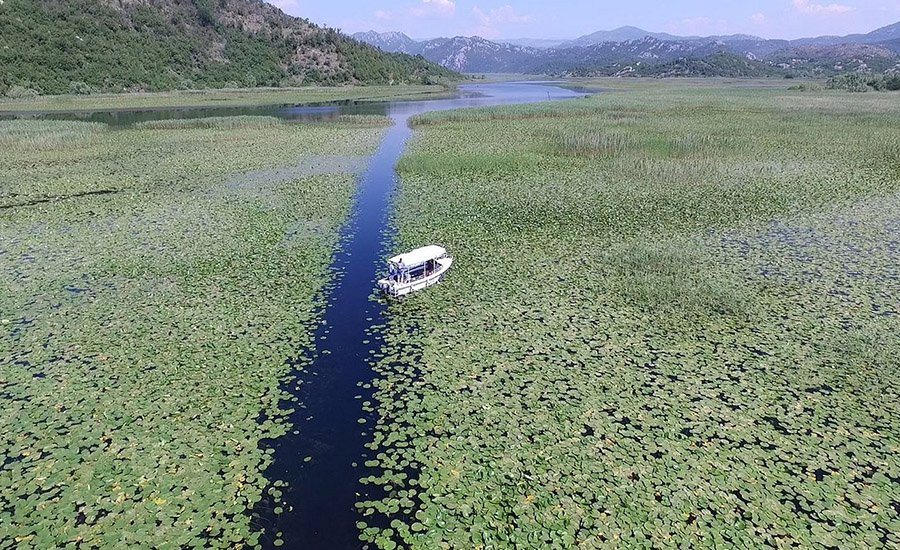
The lake’s richness extends beneath the surface as well. Home to 48–50 species of fish, including many endemic types, and surrounded by forests and wetlands inhabited by around 50 mammal species—including otters—the lake supports a delicate ecosystem. In summer, plants such as water lilies and water chestnuts spread across its surface. For centuries, local fishermen have relied on its waters, traditionally catching carp, eel, and bleak, sustaining the villages around the lake.
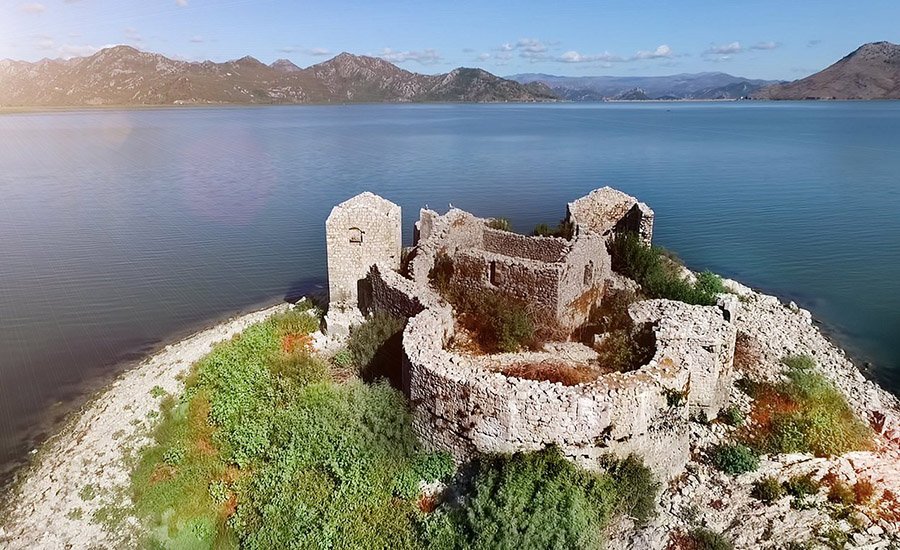
Skadar Lake is not only a natural wonder but also a repository of history and culture. Its shores are dotted with medieval monasteries on islands, such as Beška, as well as old fishing villages like Karuč and Krnjice. Fortresses and ruins from Ottoman and medieval times stand as silent witnesses to the area’s past. Historically, this lake region has been a key point between Montenegro and Albania, shaping both cultural and economic interactions over centuries.
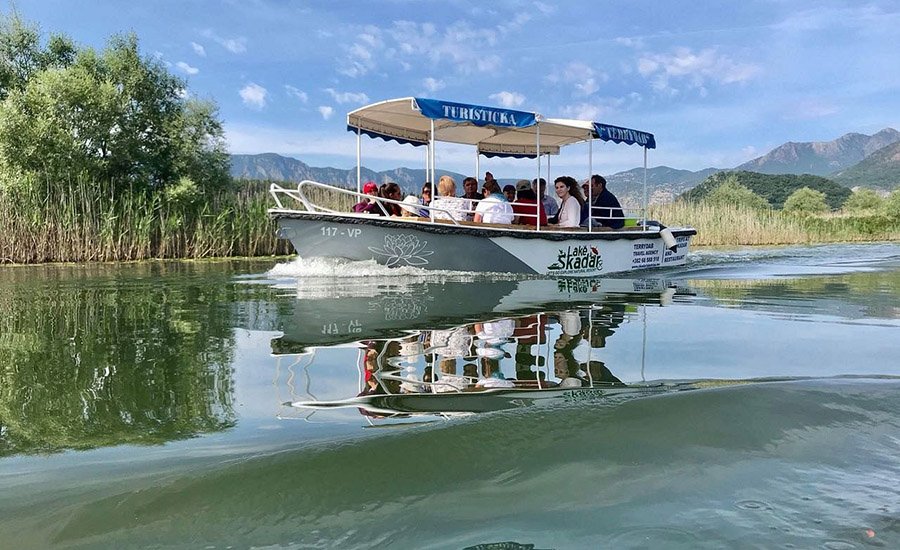
Today, Lake Skadar is one of Montenegro’s premier destinations for nature tourism, offering visitors a rare combination of breathtaking scenery, abundant wildlife, rich history, and traditional local culture. Whether exploring its wetlands, watching its birds, or visiting historic sites along its shores, the lake remains a vibrant symbol of Montenegro’s natural and cultural heritage.